
Data Science
Overview of my experience leveraging data to inform decision-making and solve complex problems across various domains.
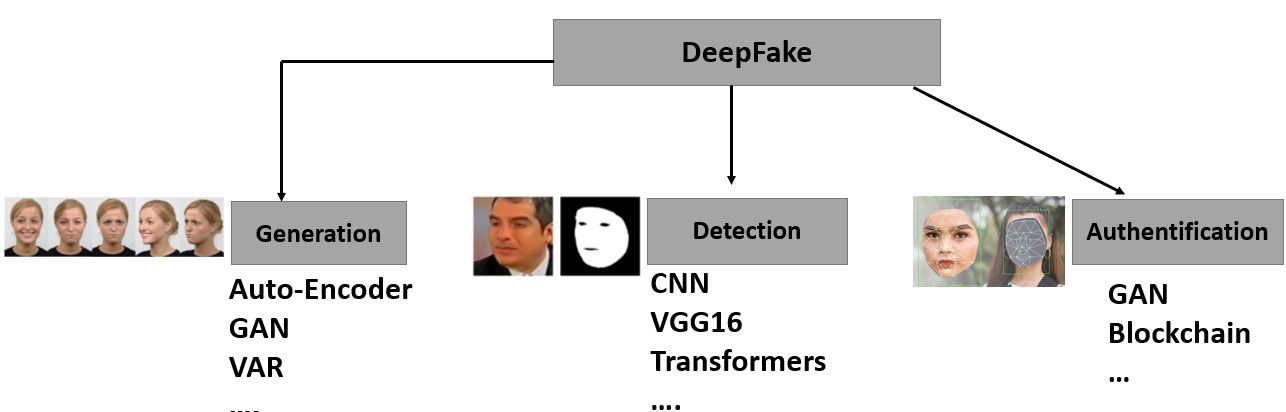
Online Disinformation Spreading through Deepfakes
Institution: OSLOMET.
Summary: Advances in deep learning, Big Data and image processing have facilitated online disinformation spreading through Deepfakes. This entails severe threats including public opinion manipulation, geopolitical tensions, chaos in financial markets, scams, defamation and identity theft among others.
This project focuses on the development of techniques to prevent, detect, and stop the spreading of deepfake content.
Key areas: deep learning, GANs, big data collection, image processing, cybersecurity.
Tools: Python, Github, LaTeX, Google Workspace.
Deep Learning for Water Quality Assessment and Forecasting
Institution: CTTC.
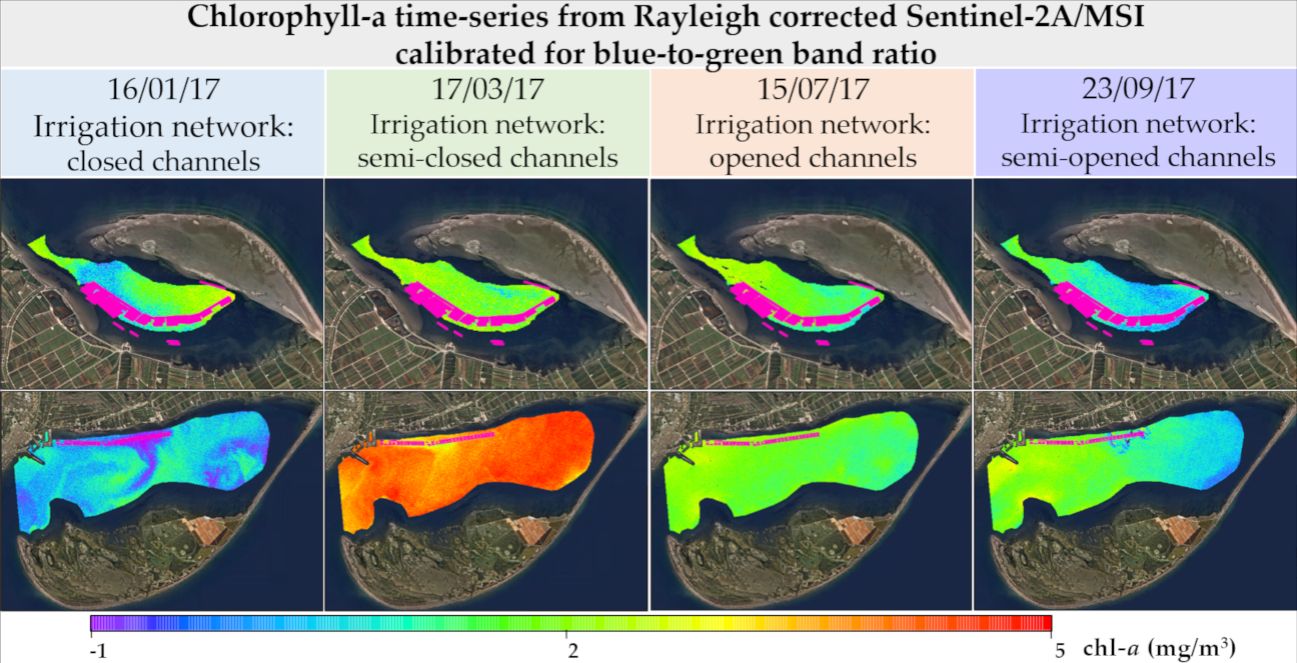
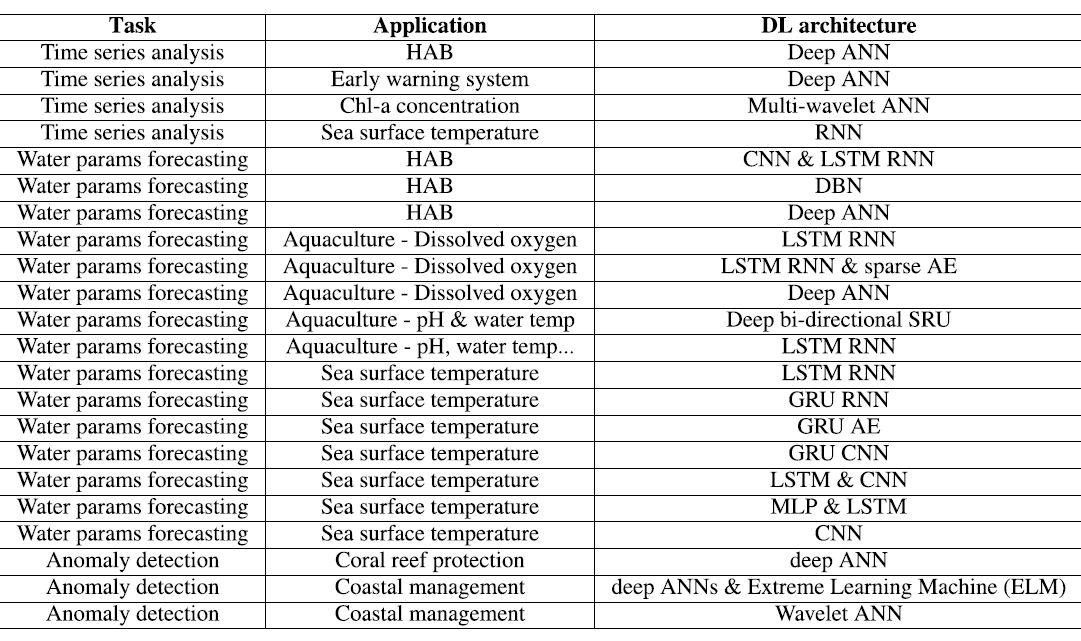
Summary: This project focuses on the sustainable management of the available resources within oceans and coastal regions, where water quality is key. It leverages a combination of cross-disciplinary technologies including Remote Sensing (RS), Internet of Things (IoT), Big Data, cloud computing, and Artificial Intelligence (AI) to attain this aim.
Key areas: deep learning, IoT, RS, big data collection, sustainability, ocean conservation.
Tools: Python, Github, LaTeX, Google Workspace.
Mobile Traffic Classification using Deep Learning
Institution: CTTC.
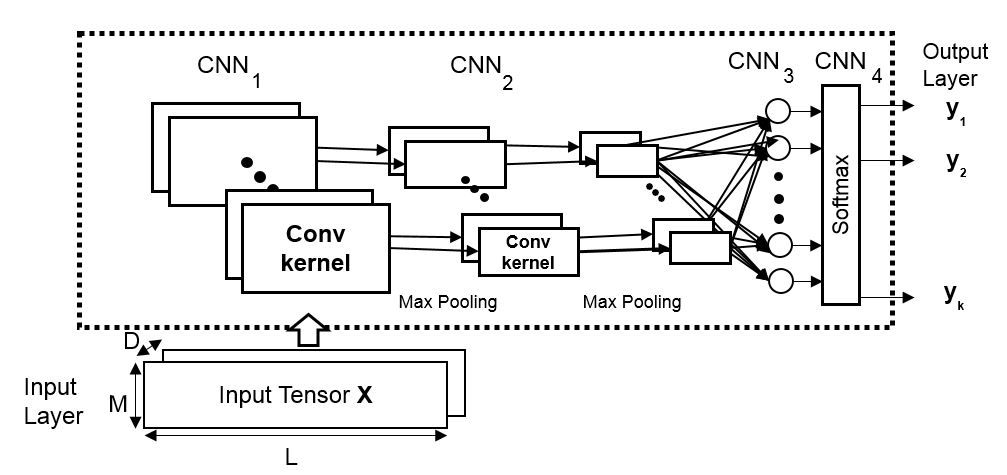
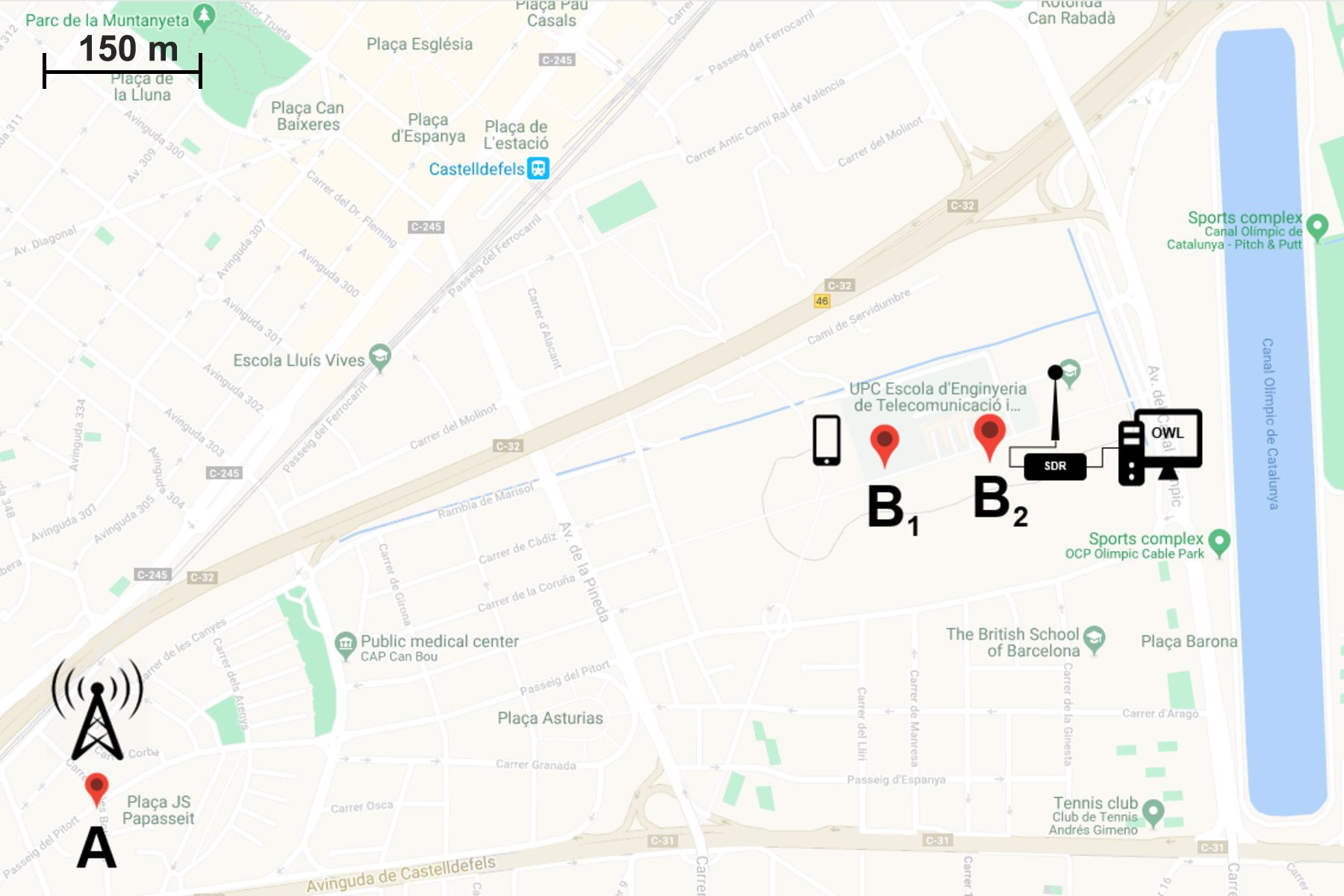
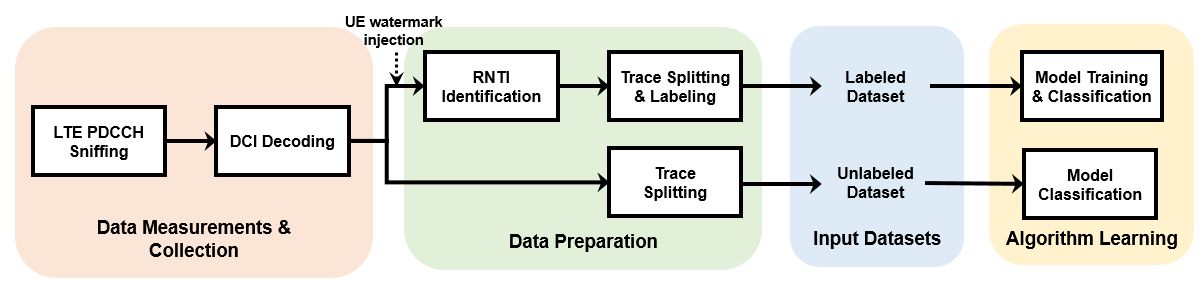
Summary: This project explores the automatic classification of applications and services within the new generation of mobile networks. It proposes and validates algorithms to perform this task, at runtime, from the raw physical control channel of an operative mobile network, without having to decode and/or decrypt the transmitted flows.
Two datasets are collected through a large measurement campaign: one labeled, used to train the classification algorithms, and one unlabeled, collected from four radio cells in the metropolitan area of Barcelona (Spain). Among other approaches, our Convolutional Neural Network (CNN) classifier provides the highest classification accuracy of 98%.
Key areas: deep learning, CNN, LSTM, data collection, pattern forecasting, 5G mobile networks.
Tools: Python, Github, LaTeX, Google Workspace.
Energy Policies for Mobile Networks via Forecasting and Adaptive Control
Institution: UNIPD.
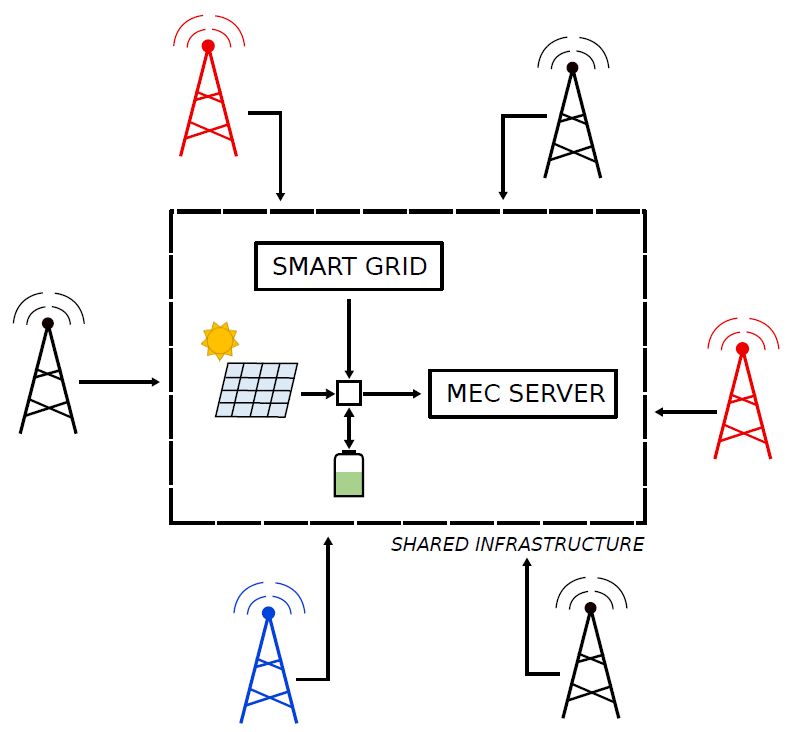
Summary: This project advocates energy-harvesting Base Stations (BSs) that collect energy from the environment, use it to serve the local traffic and/or store it in a battery for later use.
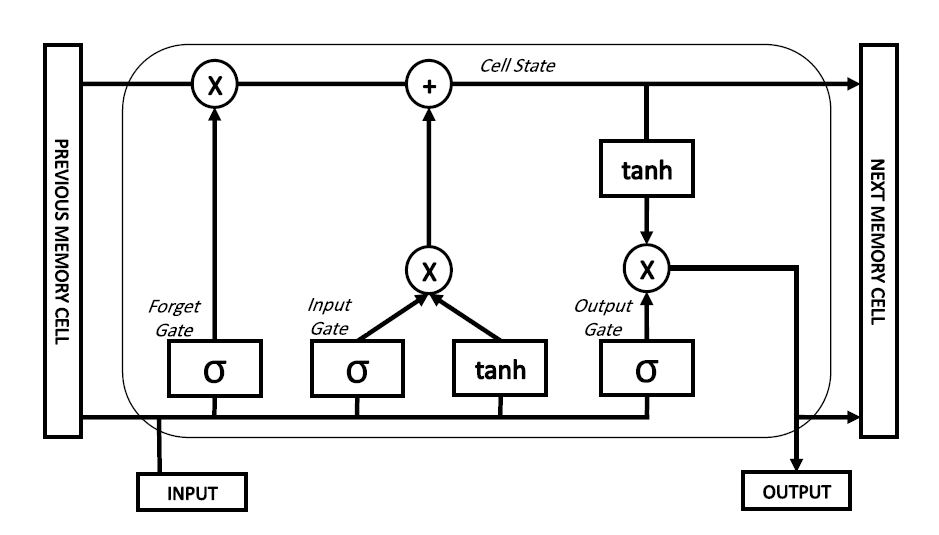
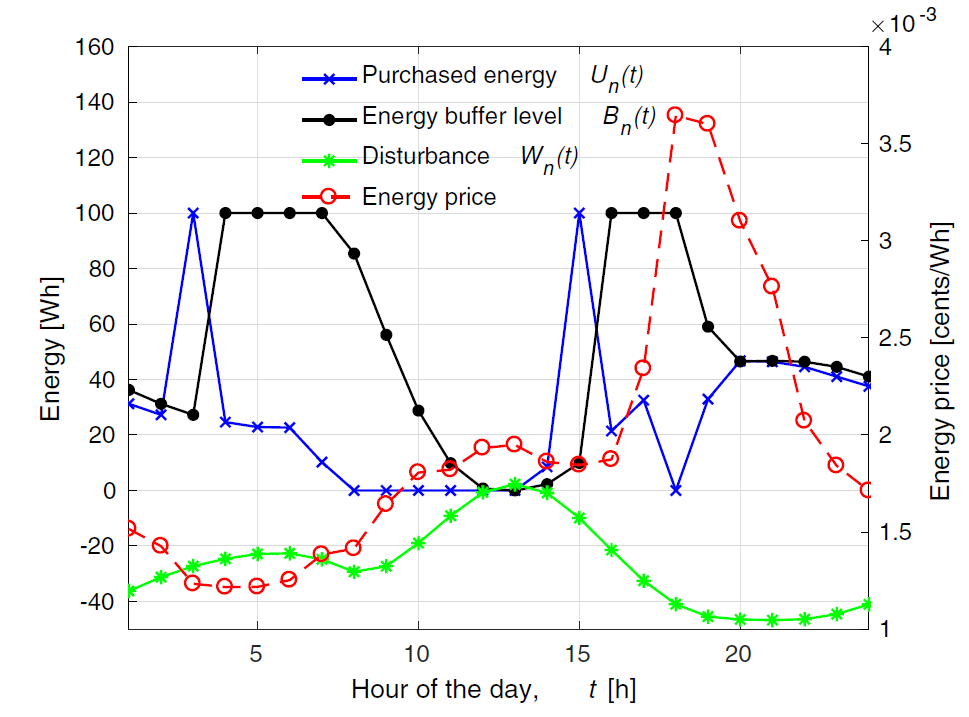
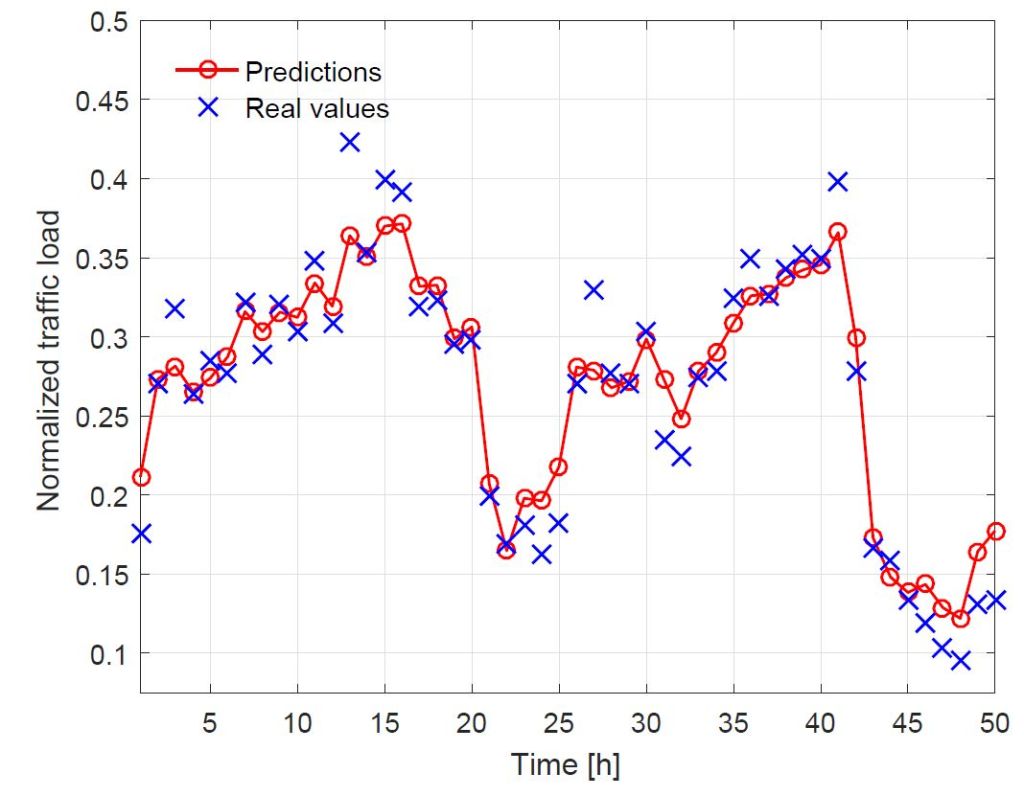
Within this setup, a smart energy management strategy is devised with the goal of diminishing the cost incurred in the energy purchases. This is achieved by intelligently controlling the amount of energy that BSs buy from the electrical grid over time, by accounting for the harvested energy, the traffic load, and hourly energy prices. The proposed optimization framework combines pattern forecasting and adaptive control. In a first stage, harvested energy and traffic load processes are modeled through a Long Short-Term Memory (LSTM) neural network, allowing each BS to independently predict future energy and load patterns. LSTM-based forecasts are then fed into an adaptive control block, where foresighted optimization is performed using Model Predictive Control (MPC).
Key areas: deep learning, LSTM, MPC, optimization, pattern forecasting, 5G mobile networks, sustainability.
Tools: Python, Matlab, Github, LaTeX, Google Workspace.
Energy Harvesting Management Strategies for Mobile Networks
Institution: UNIPD.
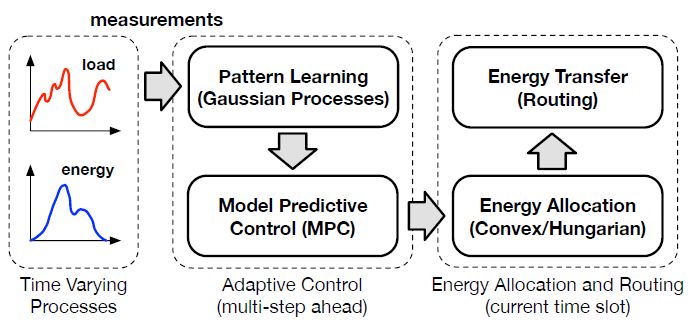
Summary: This project focuses on the design of self-sustainable Base Station (BS) deployments, where small BSs are equipped with energy harvesting and storage capabilities. Within this setup, an optimization problem is formulated where harvested energy and traffic processes are estimated (at runtime) at the BSs through Gaussian processes, and a Model Predictive Control (MPC) framework is devised for the computation of energy allocation and transfer across base stations.
The combination of prediction and optimization tools leads to an efficient and online solution that automatically adapts to energy harvesting and load dynamics.
Key areas: MPC, optimization, pattern forecasting, 5G mobile networks, sustainability.
Tools: Python, Matlab, Github, LaTeX, Google Workspace.
Energy Saving in Mobile Networks using Dynamic Programming
Institution: UPCT.
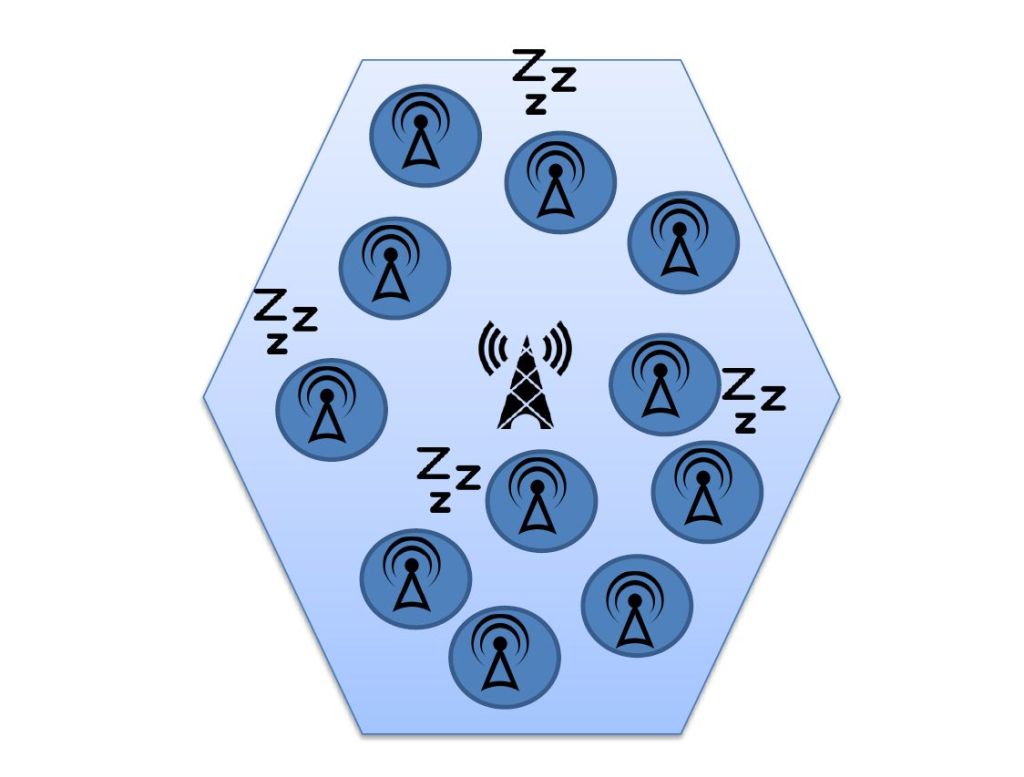
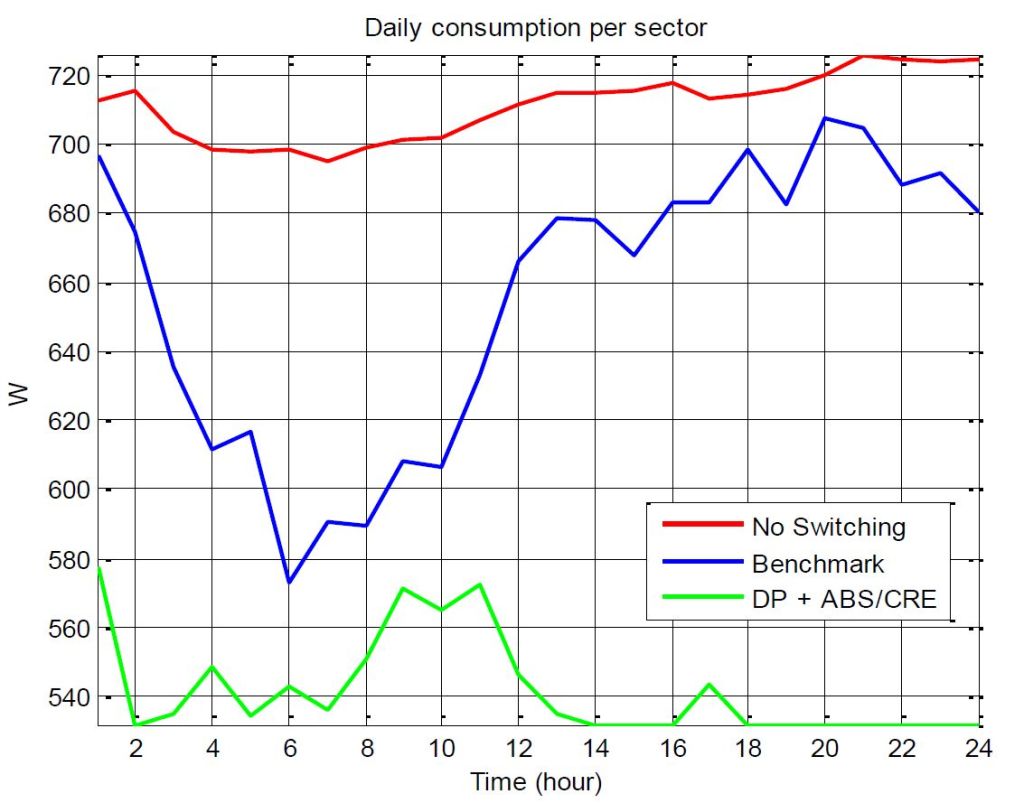
Summary: This project proposes an energy saving scheme that allows for the deactivation and activation of mobile base stations based on traffic variability throughout the day, aiming to improve the overall energy efficiency of the mobile network.
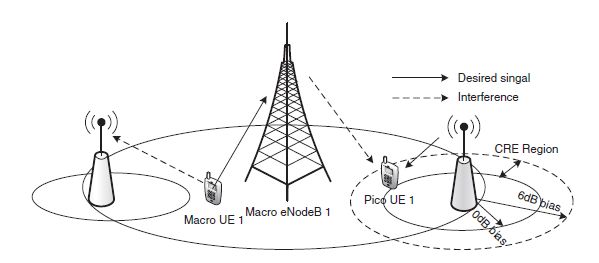
The proposed algorithm applies Dynamic Programming (DP) along with Certainty Equivalent Control to find an optimal control policy by turning on and off the deployed base stations. Additionally, the UCB1 algorithm is applied to find the optimal configuration of the network interference management mechanism.
Key areas: reinforcement learning, DP, 5G mobile networks, sustainability.
Tools: Matlab, Github, LaTeX.
 Angel Fernandez Gambin